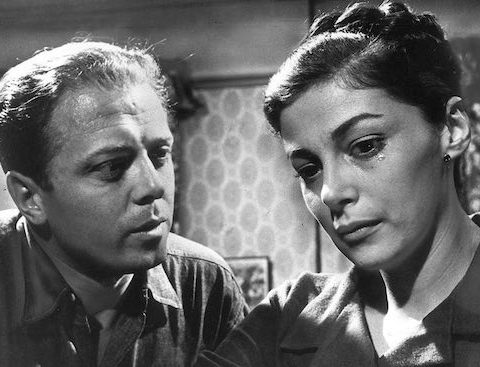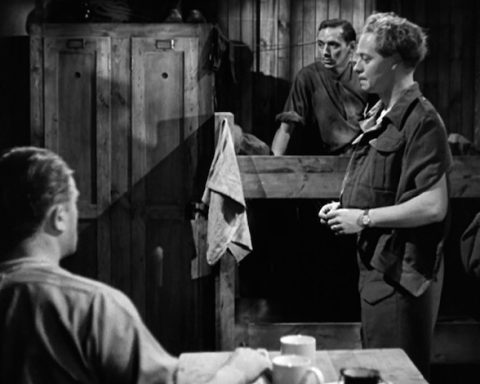
Few British directors are more deserving of the title ‘auteur’ than Terence Davies. Born in 1945 to working class Catholic parents, Davies began his directorial career in 1976 when his autobiographical short
There are two things that need to be said about Sean S. Baker’s Tangerine. One of these things is obvious and of interest mainly to film geeks, the other is profound and
Rosencrantz and Guildenstern are peripheral characters in Shakespeare’s Hamlet: They are summoned by Hamlet’s family, asked to keep an eye on him, and promptly manipulated into sentencing themselves to death. They
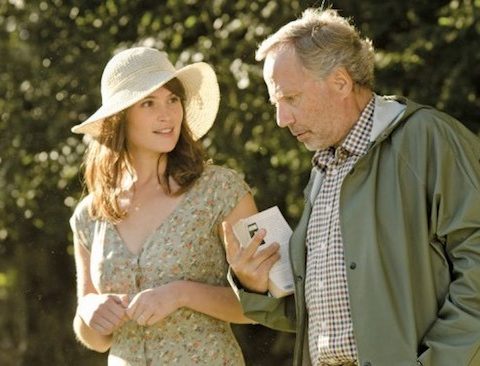
First published in 1865, to say that Gustave Flaubert’s novel Madame Bovary is a classic would be something of an understatement: Classic novels tend to be works that are very good at
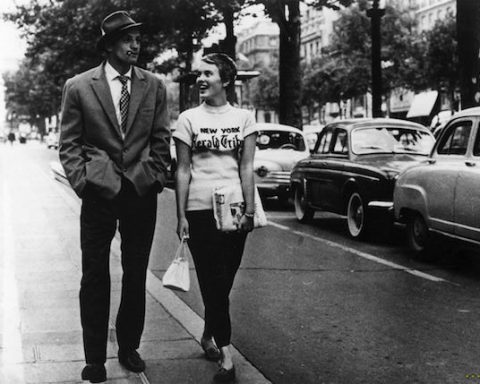
Freshly re-mastered to a 2k standard and released to coincide with a major retrospective screening at the British Film Institute in London, Godard: The Essential Collection offers an excellent opportunity to discover
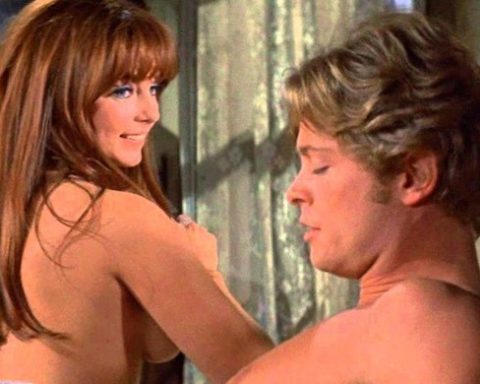
Russ Meyer is part of a generation of American directors who owe much of their fame to the failures of the proceeding generation. Meyer served his cinematic apprenticeship in the US Army
There was always more than one side to the cinematic golden age now known as the French New Wave. The side normally associated with this particular cultural moment is associated with directors
The mid-1950s were a time of political unrest in British film culture. Journals and magazine rippled with the energy of angry young critics who saw film as a means of changing the
Back in 1973, the British author and critic Brian Aldiss argued that British writers like John Wyndham had a nasty habit of depicting the end of the world as a cosy catastrophe
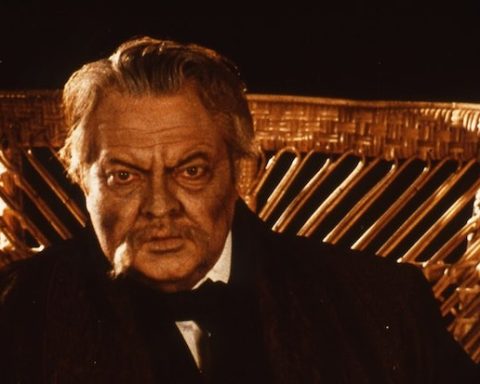
Orson Welles had long been a vocal fan of Karen Blixen when French television approached him about adapting one of her stories. The director of Citizen Kane had been hoping to produce